
Can’t Stop, Won’t Stop. The Mysterious dancing plague of 1518
researched & written by greer deliberato
The Dancing Plague
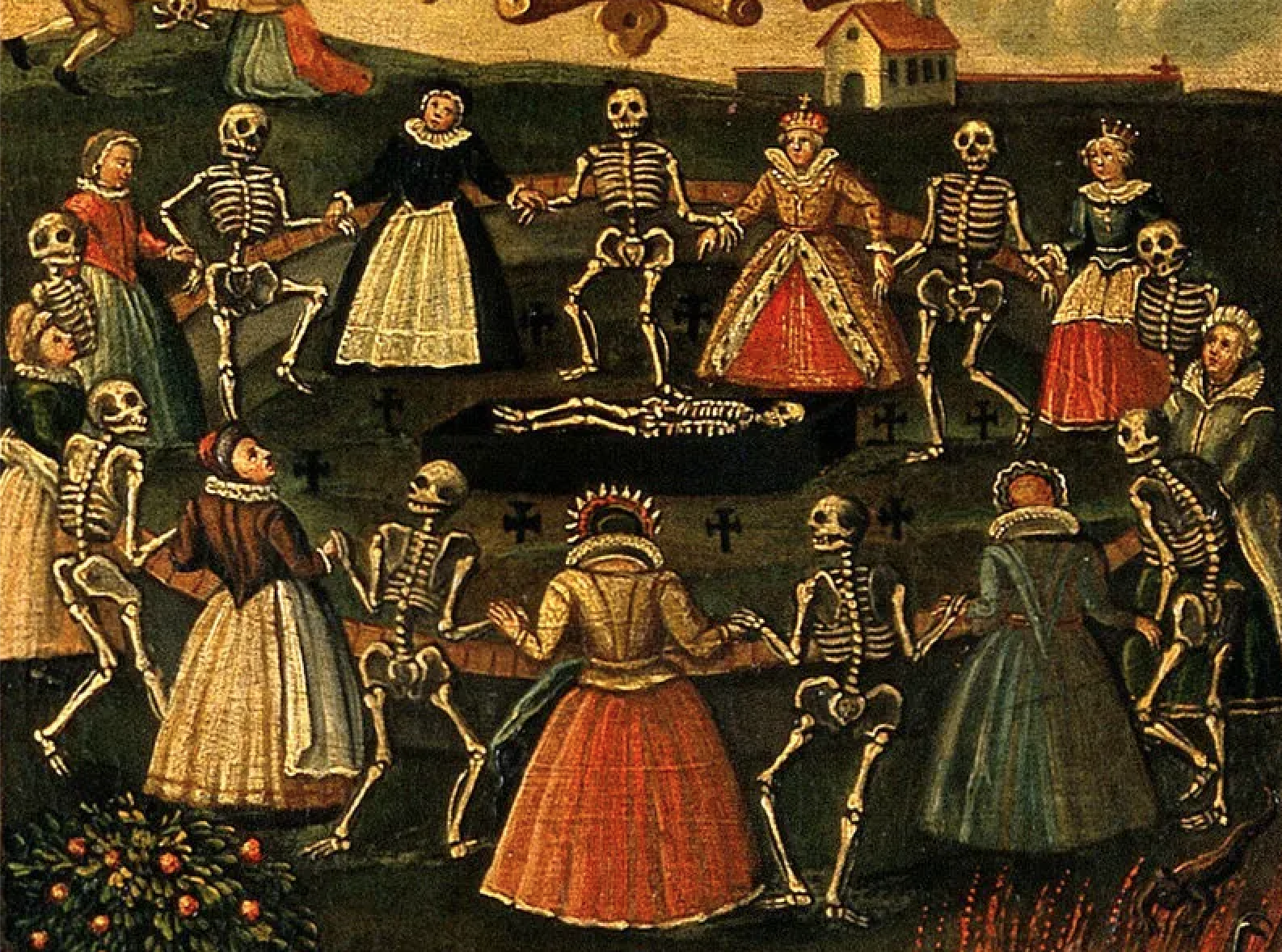
The dancing plague is a curious illness that struck the village of Strasbourg (now a city in modern France) in 1518. It started on July 14th when a woman known as Frau Troffea walked out into the street, started to dance, and could not stop.
“As far as we can tell she had no musical accompaniment but simply 'began to dance' ... some of those who had witnessed her strange performance had begun to mimic her, including her husband, and within days more than thirty choreomaniacs* were in motion, some so monomaniacally** that only death would have the power to intervene."
-Ned Pennant-Rea, historian, writer & editor
By August, the plague affected 50-400 people, most of which were women or slaves. Their “dancing” was more like wild flailing, leaving them drenched in sweat. Some said their eyes looked blank, their feet would swell and blood would pool in their shoes (scary!). It is debated at exactly how many people actually died from this plague, though some historians say it was as many as 15 per day during the height of it. Heart attack, exhaustion and extreme hunger and thirst were the most common causes of death.
To this day, nobody knows for sure what caused the “plague” or how exactly it spread, although there two main theories...
A foodborne illness: some theorize the outbreak was caused by ergot fungi - a fungus that grows on brains used to make bread. This same fungus has been cited as a cause of other events in history, like the Salem Witch Trials.
Stress: This is not your average “I had a hard day at school/work” kind of stress. At the time, Strasbourg was riddled with starvation and disease and it as taking a toll on the people, especially women and slaves. They also were very superstitious and/or religious people, making “hysteria” an easy thing to take hold.
The Dancing Plague ultimately ended in September, when the remaining dancers were led to the St. Vitus mountaintop chapel to pray for absolution. They were given red shoes sprinkled with holy water (cute!), held sticks of incense, chanted in Latin and were “cured”.
*Choreomaniacs is a term coined specifically to describe those affected by the “Dancing Plague” of 1518, who danced uncontrollably until exhaustion or injury & is also an excellent way to refer to your friend who can’t help but bust a move when they hear a beat 😉
**Monomaniacal is an adjective that means showing an extreme, total focus on a single subject, idea, or goal

Put on your dancing shoes and Proceed with Caution: Listen to “Choreomania” by Florence + The Machine